Lessons From the Queue: How Updating My ID Taught Me About Humility, Systems, and Diaspora Mindsets.
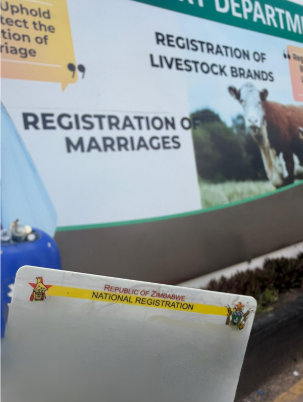
For twenty-seven years, I carried my Zimbabwean identity documents in my maiden name. Life moved on marriage, migration, children, business, ministry but that one small administrative task never quite made it to the top of the list. Every time I travelled home, I would say, “Next time I’ll sort out the ID.” But between the queues, the heat, and the thought of navigating multiple offices, “next time” always won.
This year, I finally decided to close the chapter and update my identity document.
What I didn’t expect was how much the process would teach me not just about documentation, but about perspective, humility, and the delicate dance between diaspora expectations and local realities.
Day One: Arriving With My Diaspora Lenses Firmly On
I walked into the ID office wearing my Gucci sunglasses, my beautiful Brazilian weave, and the quiet confidence that many of us in the diaspora unconsciously carry. Years of online bookings, appointment-based systems, and structured customer service had shaped my expectations.
But Zimbabwe had other plans.
The civil servants looked at me with a very polite but firm expression that clearly translated to:
“Madam, this is not your England. There is a system here and your Gucci will not fast-track it.”
They explained the procedure, the queues, the timings, and the need to return the following morning. No special treatment. No shortcuts. No bending of rules.
I left the office humbled but also enlightened. I realised how much we expect systems to bend to our habits, instead of acknowledging the context we have re-entered.
Day Two: Choosing to Blend In and Respect the Process
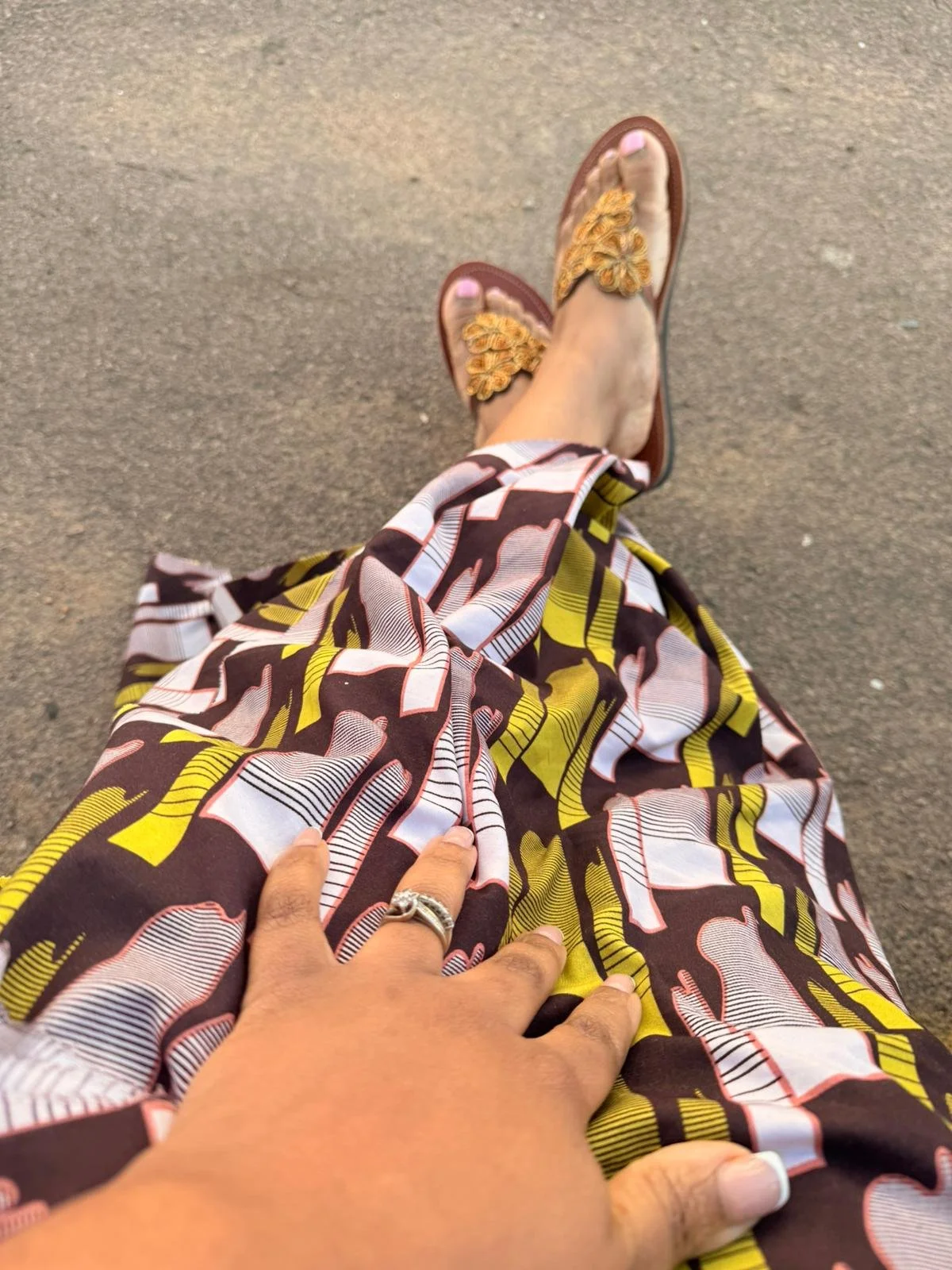
The next morning, I decided to do things differently. I woke up early, left the Gucci and the weave at home, and stepped into my comfortable “auntie dress” a simple African kaftan that carries its own quiet authority.
I arrived at 6:30am and was number six in the queue.
No shortcuts.
No name-dropping.
No diaspora privilege.
Just patience, presence, and process.
What struck me most was this: the system works.
It may be manual.
It may require physical presence.
It may test your comfort zone.
But it works for the context it serves.
Not everyone has access to data or the internet.
Not everyone can navigate online forms or digital platforms.
Zimbabwe has a population with diverse levels of access and resources.
And so the system must work for everyone.
Lining up. Handwritten logs. Physical verification. Step-by-step processing.
By 9:30am, I was done. Efficiently. Smoothly. Successfully.
A New Respect for Local Systems and the People Who Run Them
One thing you cannot take away from Zimbabwean civil servants is their combination of:
efficiency
humour
resilience
a bit of sass (their natural coping mechanism!)
They manage thousands of people every day, with limited resources, and still get the job done. Watching them operate reminded me not to romanticize the systems we left behind, nor to underestimate the ones we return to.
Identity, Humility, and the Power of Cultural Intelligence
As I walked out with my new ID finally reflecting my married name after 27 years I realised this experience had given me more than a document. It had given me a lesson:
Sometimes we must set aside our diaspora expectations to truly engage with the systems of home.
Different does not mean inferior.
Different does not mean broken.
Different simply reflects a different reality.
When we approach local systems with respect, patience, and humility, we discover:
things work
people care
and the experience isn’t nearly as daunting as we imagine
My maiden name has now been retired from the national registry. Next, I will update my Zimbabwean passport, and finally, my British one.
But the real update happened in my mindset.
Final Reflection
This journey taught me that reintegration requires flexibility. The diaspora lens is useful, but it is also blinding when not adjusted. When we insist on comparing systems, we miss out on appreciating the strengths, resilience, and contextual brilliance of the places we call home.
Sometimes, the queue is not an inconvenience it is a reminder.
A reminder to slow down.
A reminder to reconnect.
A reminder to adapt.
And most importantly,
A reminder that identity is not only found in a document
But also in the humility and grace we bring to the places that shaped us.